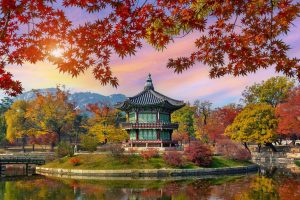
A Korean temple stay means sleeping in a working Buddhist temple: waking before dawn to chanting, eating silent vegetarian meals, and learning meditation from monks.
It is one of the most meaningful cultural experiences in Korea; it costs less than a Seoul hotel room, and no religious background is required. Here is everything you need to know before booking.
What Is a Templestay?
Templestay is a government-supported program that opens Korean Buddhist temples to overnight guests. You follow the monastic schedule: early morning chanting, meditation, communal meals, and a tea ceremony with a monk. Programs run from one night to several days, and English guidance is available at the major temples.
How to Book and What It Costs
Book through the official temple stay portal, which lists participating temples with English descriptions and availability. Prices typically range from 50,000 to 100,000 won per night (roughly $35 to $70), including meals, activities, and a temple uniform. Popular temples fill up on weekends, so reserve a few weeks ahead.
A Typical Daily Schedule
- 4:30 AM: Wake up, morning chanting, and 108 prostrations.
- 6:00 AM: Silent breakfast (barugongyang, the formal monastic meal).
- Morning: Seon meditation and a tea ceremony with a monk.
- Afternoon: Free time, temple tour, or craft activities.
- 6:00 PM: Dinner, then evening chanting.
- 9:00 PM: Lights out.
Etiquette to Know
Keep noise to a minimum, dress modestly (the temple provides a uniform vest), and silence your phone. At meals, eat everything you take; wasting food is frowned upon. Bow slightly when greeting monks. Photography is fine in most areas but ask before photographing people.
Best Temples for First-Timers
- Jogyesa (Seoul): The easiest option, right in the city center. Good for a one-night taste. See our Seoul guide for the area.
- Bulguksa (Gyeongju): Stay at Korea’s most famous temple in the historic city of Gyeongju.
- Haeinsa: Home of the Tripitaka Koreana woodblocks, deep in the mountains for a true retreat.
Pair a templestay with a jjimjilbang visit for the full Korean wellness double: temple calm by night, sauna heat the next day.
What to Pack
Pack light: temples provide bedding, the uniform vest, and basic toiletries. Bring warm socks (you will be barefoot indoors and floors are cold), a water bottle, and modest sleepwear. Leave valuables at your hotel; rooms are shared and simple. A small flashlight helps for the pre-dawn walk to the main hall.
Is Templestay Right for You?
The 4:30 AM wake-up and long meditation sessions are genuinely challenging. If you are curious but hesitant, start with a one-night rest-type program, which is lighter on ritual than the full experience-type. Either way, you will leave with a deeper understanding of Korean Buddhism than any museum could give.